
Planning for retirement is no longer just about financial and health security. Gear up for retirement must be carefully considered during the design and furniture time. This is especially true for seniors, as the environment they live in directly influences their comfort, safety, and overall quality of life. This guide will shed light on the latest interior design trends for senior spaces, the importance of ergonomic furniture, customizable options to meet individual needs, and much more. So, whether you’re a senior preparing your home for retirement or someone helping a loved one transition into their golden years, this informative review has got you covered. By the end of it, you’ll be an expert in making a home retirement-ready, leveraging the potential benefits of apt furniture and design for the elderly! So join us as we navigate this clear pathway towards a comfortable and fulfilling retirement.
Interior Design Trends for Senior Living Spaces 2023
It’s 2023, and a new year is upon us with fresh opportunities to revamp the living spaces of our beloved senior community. While interior design trends evolve over time, the emphasis on practical, comfortable, and functional senior living homes remains constant. This year, we hone in on several color schemes and design elements geared toward fostering a positive, groovy, and lively atmosphere in senior living homes.
Brandy Brown – Color of The Year
Take a moment, and imagine this year’s trend setting color – Brandy Brown, a warm, inviting shade that exudes sophistication. Picture your loved one’s space illuminated by this beautiful hue that effortlessly blends traditional charm with a modern edge. This transformative color harmonizes with a range of tones making it ideal for expressing individuality while instilling coziness in the living space. The attractiveness of this color is that, besides its aesthetic appeal, brown symbolizes stability and reassurance, fostering a secure feeling, and is perfect for senior living homes.
Focus on Evocations of the Natural Environment
There’s no denying that a connection with nature has a significant positive impact on mental wellness. This year, interior design trends for senior living spaces emphasize creating homelike environments that maliciously celebrate the beauty of nature. Incorporating plant-derived fabrics, showcasing landscape artworks and using pastel shades reminiscent of natural vistas has seen a surge in popularity. These design elements don’t simply add visual pleasure, but they also create a tranquil and comforting ambiance that promotes well-being.
Earthy Colors and Sustainable Furniture
Complementing the Brandy Brown color of the year, this year’s design trend leans on an array of earthy colors. Be it desert sand yellows, moss greens, or sky blues; these shades evoke a calm and peaceful atmosphere essential in senior homes.
Moreover, the move towards sustainable and eco-friendly practices are not consigned to alternate energy sources but have equally trickled down to interior design as well. Furniture designs are increasingly turning towards sustainable materials such as bamboo and rattan. Furthermore, slim shaker kitchen cabinetry, curvaceous forms, and wooden furniture, with their humble aesthetics, offer an interesting mix of style and sustainability.
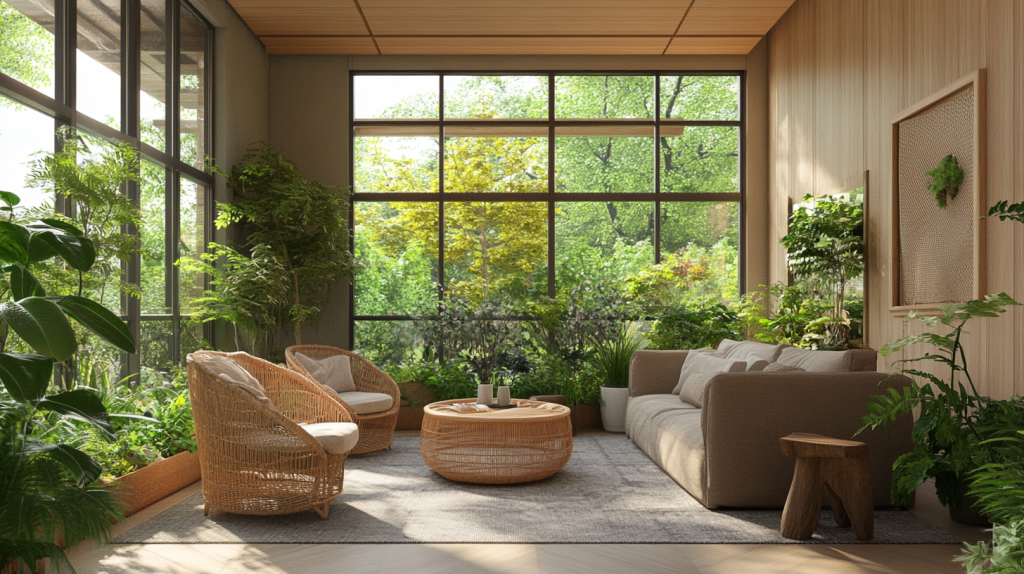
Biophilic Design
The term ‘Biophilic Design’ might sound complicated, but the premise is simple – incorporating elements of nature directly or indirectly into living spaces. This trend aims to satisfy our innate need to affiliate with the natural world. Much like the focus on evocations of the natural environment, biophilic design takes it a notch higher by integrating physical natural elements such as plant walls, water features, and natural lighting. This design approach has been linked to numerous benefits such as improved mood, increased creativity, and stress relief – elements that significantly contribute to the quality of life improvements for seniors.
In summary, this year’s interior design trends for senior living spaces underscore the importance of creating living spaces that are not just visually appealing but also foster mental well-being by giving a tip of the hat to Mother Nature. Whether it is the comforting hue of Brandy Brown, infusing earthy colors, using sustainable furniture, or incorporating biophilic designs, the recurring theme focuses on creating senior homes that are more than just spaces. They become an extension of the individuals residing in them, brimming with warmth, vitality, and life.
Gear Up for Retirement Trends for 2024
In the ever-evolving landscape of interior design, 2024 is poised to usher in some innovative trends for senior living spaces. As the aging population grows, it’s paramount that their living arrangements not only cater to physical and medical needs, but also promote well-being, comfort, and enjoyment. Here, we delve into three prominent design trends that are set to revolutionize senior living in the coming year: nature-infused interiors, sustainable features, and smart technology integration.
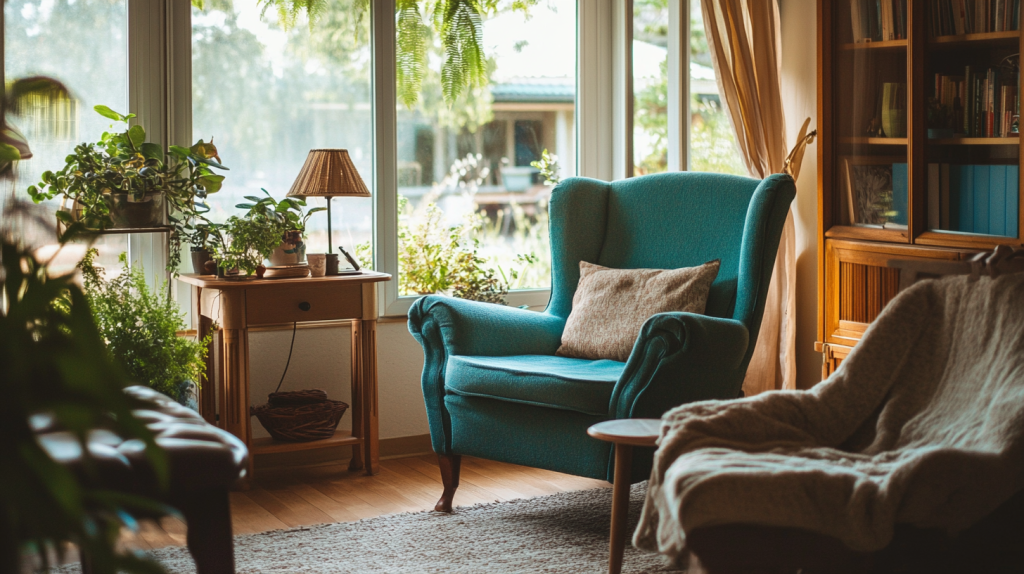
Nature-infused Interiors
Bring the outdoor in – that’s the crux of the nature-infused interior design trend in senior living spaces. Research suggests that immersion in natural elements is linked to increased levels of relaxation and stress reduction, particularly among the elderly. Reaching beyond mere potted plants, this popular design trend promotes the use of:
- Natural light through large windows and skylights
- Organic materials, such as wood and stone
- Earth tones and palettes derived from nature
Put simply, nature-infused interiors aim to foster a calming and healing atmosphere, ameliorating the psychological health of senior residents.
Sustainable and Eco-friendly Features
With environmental consciousness at the forefront of social conscience, sustainable and eco-friendly features are becoming preferred elements in senior living design. This trend aligns with the shift towards ‘greener’ practices across various industries.
This design approach includes:
- Energy-efficient appliances and lighting
- Water-saving fixtures
- Use of recycled or renewable materials
By incorporating these elements, senior living spaces can significantly reduce their environmental footprint, while providing residents with the satisfaction that they’re contributing to a more sustainable future.
Smart Technology Integration
In an increasingly digital world, the integration of smart technology into senior living design is an inevitable trend. From voice-activated controls and robot-assisted tools to advanced security systems, these technological advancements have the potential to greatly enhance convenience and safety for the elderly.
Key features like:
- Personal emergency response systems
- Automated lighting and climate control
- Digital health monitoring devices
Despite the learning curve that might be involved, integrating these intelligent features not only empowers senior residents but also provides peace of mind for their loved ones.
By paying close attention to these trends, designers can create senior living spaces that are not only aesthetically pleasing but also functional, sustainable, and well-suited to the evolving needs of the aging population. As 2024 approaches, it’s clear that the future of senior living design lies in thoughtful innovation that enhances the overall life quality of its residents.
Top Trends in Wellness-centric Senior Living Communities 2023
With a decisive shift in the perception of aging, senior living communities have been at the forefront of offering an enhanced lifestyle that focuses on holistic wellness. This emphasis on health, vitality, and active aging has contributed to the rise of wellness-centric communities—a trend expected to dominate the senior living landscape in 2023 significantly. Below, we delve deep into this trend and its implications for the future of senior living communities.
Focus on Holistic Wellness
Old age doesn’t have to equate to traditional nursing homes anymore. The wellness wave sweeping through retirement living is leading to the creation of communities where seniors do not just live, but thrive in their golden years.
Over recent years, we have seen a shift away from the clinical, institutional feel of traditional nursing homes. In their place, wellness-centric senior living communities have emerged, offering an environment that actively promotes physical health, mental wellbeing, and social connectedness.
So, what exactly does holistic wellness look like in these communities?
- Physical Health: The golden years are now about staying fit and active. These communities emphasize physical activity with gyms, swimming pools, yoga classes, and walking trails. Some even offer on-site healthcare for preventive care and addressing health issues promptly.
- Mental Well-being: Mental health is just as critical as physical health. These communities often feature mindfulness activities, mental fitness programs, art classes, and educational courses to keep seniors intellectually stimulated.
- Social Connectivity: Loneliness can be a big issue for seniors. Wellness-centric communities encourage social interaction with organized events, clubs, and common areas for residents to connect over shared interests.
By providing a holistic approach to wellness, these communities are setting new standards in senior living. They are not merely places for seniors to live out their days but are communities that empower them to lead fulfilling, healthy, and active lifestyles right into old age.
In 2023, expect to see this trend of wellness-centric senior living communities continue to expand. As more seniors desire an active and enriching retirement, the demand for communities that prioritize holistic wellness will only grow.
As we look ahead, we see a bright future for senior living, one where the golden years are filled with vibrant health, active lifestyles, and meaningful relationships. The wellness-centric communities are more than a trend; they might well be setting the blueprint for the future of senior living.
The Rise of Customizable Furniture in Senior Living Spaces
Imagine coming home to a living space that caters to your individual needs, reflects your personal taste, and offers maximum comfort! The thought itself feels incredibly assuring, isn’t it? Senior living spaces around the globe are embracing exactly this idea with open arms. Personalized charm is breezing into functional design narratives, and the concept of customizable furniture is gaining momentum in senior living design. This shift towards tailored living simply underlines the fact that one-size-fits-all is gradually losing relevance. The focus now is on providing a personal touch that aligns with the specific preferences of seniors.
Tailor-made to Suit Individual Needs and Preferences
Customizable furniture is more than just a trend — it’s a lifestyle shift that respects individuality. In senior living spaces, this evolution reflects an understanding of seniors’ unique requirements and varying tastes. The whole concept orbits around personalization, allowing residents to add a dash of their personality, style, and personal comfort preference into their living environment.
Some of the key advantages of customizable furniture in senior living spaces include:
- Personal Touch: From fabric selection to design elements, everything can be customized, making it truly ‘theirs’ and contributing to a feeling of homeliness.
- Comfort and Accessibility: Adjustable heights and widths, ergonomic designs, and accessible switches and chargers are all options in custom furniture design. These ensure heightened comfort and easy access, crucial for seniors.
- Liberation of space: Custom pieces can be designed to fit perfectly in a given area, liberating new spaces that were previously underutilized.
- Durability: High-quality materials and precision in craftsmanship result in sturdy pieces of furniture that serve for extended periods.
As seniors, or those choosing for them, consider making the transition into tailored living spaces, it’s crucial to remember that the heart of customization lies in the details. The right furniture, created with a genuine understanding of personal needs, can indeed be a game-changer in the way seniors experience their living spaces.
Customization indeed strives to embrace diversity, breaking free of the era where decision-makers chose standardized furniture for every living space, irrespective of individual needs and preferences. This thoughtful progression in senior living design underscores a continuation to enhance seniors’ life quality, blending together personalization with superior comfort and functionality, for an enriching living experience.
The Importance of Ergonomically Designed Furniture for Senior Living
In today’s world, mindful design and functionality are not luxuries; they’ve become necessity. When it comes to senior living, ensuring comfort, safety, and independence becomes paramount. A key element to meeting these needs is the application of ergonomically designed furniture, which significantly elevates the quality of life of our elders. The thoughtful angles, supportive contouring, and easy-to-use mechanisms of ergonomic furniture turn ordinary living spaces into comfortable and safe havens for seniors. So, let’s delve into why this is so critical.
Enhances Physical Comfort
First and foremost, ergonomically designed furniture enhances physical comfort. As people age, their bodies go through numerous changes. Muscular strength dwindles, joints stiffen, and flexibility reduces. In an ideal world, the home environment should adapt to these changes and provide optimal support to the body’s need for comfort and ease.
Ergonomic furniture is designed with an understanding of these changes in mind. Such furniture pieces often feature cushioning that molds to the body, alleviating pressure points and reducing discomfort. Adjustable armrests and footrests make space for swollen joints, while heights can be modified to facilitate easy access and egress.
Here’s what makes ergonomically designed furniture a boon for senior living:
- Adaptability: These pieces can be easily modified to accommodate personal comfort needs.
- Supportive Design: They provide necessary support to aging bodies, lessening physical discomfort.
- Variety: From chairs and beds to adjustable desks, a multitude of options are available, tailored for different needs and preferences.
These features work collectively to enhance the physical comfort of seniors, making their day-to-day living more enjoyable and less strenuous.
Ensures Safety for Older Adults
Safety is another critical attribute that ergonomic furniture adds to senior living. Falls are a significant cause of injuries in older people, often resulting from either a loss of balance or tripping over cluttered furniture.
Ergonomically designed furniture contravenes these hazards. The design principles focus on creating secure, transparent pathways clear of obstacles that could potentially lead to accidents. Moreover, ergonomic furniture often incorporates handrails and grip pads to help maintain balance.
In light of enhancing safety for older adults, here’s how ergonomic furniture contributes:
- Clear Pathways: The streamlined design of these furniture pieces help minimize clutter and consequently, reduces falls.
- Additional Support: With features like handrails or grip pads, seniors can feel more confident moving around.
- Stability: These furniture pieces are often designed with a broader base for added stability, reducing chances of tipping over.
Safety, married with comfort, makes for an ideal living space for seniors.
Incorporating ergonomically designed furniture takes us one step closer to achieving Accessibility in Senior Living, making daily tasks less daunting and prioritizing the health needs of our seniors. By making these integral modifications, we can help propagate the importance of maintaining independence and dignity for older adults in their living environments.
Ergonomically designed furniture is not just a trend; it’s an essential component in senior living. By focusing on comfort and safety, we can make a significant difference in the lives of our elders and create a home environment that’s as supportive as it is welcoming.
Influence of Furniture Design on Seniors’ Health
Furniture design could be the unsung hero in your quest for healthier living, especially for seniors. Many may not realize it, but the design and layout of our furniture play a significant role in maintaining our physical and mental health. When it comes to our senior population, this impact is even more profound.
The advent of artistic, functional, and thoughtful furniture designs mean we now have the tools to craft a living environment that not only looks fantastic but also adds considerable value to seniors’ overall health and well-being. With ingenious cuts, aesthetically pleasing colors, and remarkable comfort, contemporary furniture design is a pleasant sight, which, in turn, has a positive impact on mood, cognitive function, and overall happiness.
Creates a Pleasant and Stimulating Environment
A key method in which furniture design influences senior health is through the creation of a pleasant and stimulating environment. Well-designed furniture can:
- Improve mobility: Furniture designs with adjustable heights and ergonomic features assist seniors in maintaining mobility and independence. It’s easier to stand from a rise recliner chair than a deep-seated couch, for instance.
- Promote safety: Furniture designs with rounded corners, non-slip surfaces and sturdy materials reduce the risk of accidents and injuries.
- Add to aesthetic appeal: Artfully designed furniture can improve the ambiance of a room, promoting positive moods and mental well-being.
- Stimulate cognitive function: Furniture placement that encourages movement or interaction can help keep the mind active, boosting cognitive function.
Furniture designs that create a pleasant and stimulating environment can considerably improve seniors’ overall health and well-being. While it may appear like a simple tweak, this aspect of interior design might actually hold the key to a healthier and happier living experience for our seniors. So, the next time you go furniture shopping, remember these points and look for pieces that offer more than just a place to sit. Happy shopping!
Recommended Furniture Heights for Seniors
When furnishing your space, it’s essential to keep in mind who will be using it and their specific needs. Seniors, in particular, have diverse physical requirements that should be factored in when making such decisions. For their comfort, ease, and safety, certain furniture heights have been identified as particularly suitable. This article focuses on the ideal furniture heights for seniors, specifically those of chairs, tables, and desks.
17-19 inches for Chairs
As we grow older, sitting and standing up from low-height chairs can prove to be quite a challenge. Therefore, it is recommended that chairs for seniors should have a height of about 17-19 inches. This height falls advantageously within the ‘knee height’ of most elderly people, making it sufficiently comfortable and convenient for them to sit in and get up from.
Choosing a chair of this height range ensures that a senior’s feet can easily touch the ground. It also relieves undue pressure from their knees, making the seating and standing process much smoother.
28-34 inches for Tables and Desks
When it comes to tables and desks, the optimal height for seniors ranges from 28 to 34 inches. A table or desk of this height facilitates easy usage while sitting, especially if the accompanying chairs are within the aforementioned 17-19 inch range.
This height allows the armrest level of most seniors to align well with the tabletop, alleviating the need to hunch over excessively. It also enables them to comfortably reach things on the table or desk, reducing potential strain on their back and neck.
To reiterate, the physical comfort and safety of seniors are of utmost importance when choosing furniture. Bearing in mind the recommended furniture heights of 17-19 inches for chairs and 28-34 inches for tables and desks can significantly contribute to creating a comfortable and secure living environment for the elderly. Remember, the most suitable furniture height for seniors generally falls around these measurements.
Importance of Commercial Grade Furniture in Senior Living Spaces
When it comes to creating an ideal environment for seniors, not all furniture is created equal. Commercial-grade furniture plays a crucial role in ensuring the safety, comfort, durability, and functionality in senior living spaces. Surrounding seniors with furniture tailored for their unique needs can significantly improve their living conditions, and it leads to a number of added benefits.
Ensures Safety
First and foremost, safety is paramount when considering furniture for seniors. As they grow older, maneuvering around the home can become challenging due to mobility and stability difficulties. Well-picked commercial-grade furniture can significantly improve their safety and reduce the risk of accidents.
- Fit for Purpose: Furniture designed for seniors has specific features such as padding to avoid sharp edges, non-slip surfaces, and the correct height to aid safe transitioning between seating and standing. This eliminates potential hazards regular residential furniture may pose.
- Meets Regulatory Standards: Commercial grade furniture is created to meet certain safety standards. It is usually fire retardant, designed to prevent toppling, and sturdy to hold the weight of an individual without risk of tipping or breaking.
- Accessory Features: Many pieces incorporate innovative features like wheels with braking systems, adjustable heights, and easy-to-grasp handles, providing added safety and convenience.
Offers Durability
Beyond just safety, choosing commercial-grade furniture has long-term benefits as well. One substantial advantage is the durability it offers. Personal living furniture may seem charming, but they often can’t withstand the test of time. Commercial-grade items are meant to endure the rigors of heavy, constant use. Here’s why they stand out:
- Stronger Materials: Constructed from high-quality materials meant to withstand daily use, commercial grade furniture can handle the wear and tear better than traditional residential furniture.
- Easy Maintenance: Enhanced with features designed for easy cleaning and maintenance, these pieces can remain in pristine condition for longer periods.
In an age where seniors need comfort, safety, and independence, investing in commercial-grade furniture can prove significantly beneficial. Not only does it cater to their physical needs, but it also provides a sense of reliability and reduces unnecessary worries. So, next time you plan to design a senior living space, remember – commercial grade is the way to go.
Conclusion
Embracing the twilight of life should not require a compromise on comfort and safety. Carefully selected and designed furniture plays a key role in enhancing senior living spaces, ensuring comfort, safety, and amicability with the latest interior design trends. The choice of colors, materials, designs, and features can significantly impact the physical wellness and mental well-being of seniors.
From commercial-grade, durable furniture, to ergonomic designs, the right choice can provide unparalleled support in navigate aging with grace. Moreover, customizations and smart technology integration cater to individual needs and preferences while maintaining pace with the tech-savvy world.
At Golden Comforts, we are committed to aiming for more than just functionality in furniture for seniors. We infuse sustainability, innovation, and elegance into our offerings, facilitating a seamless blend of style and comfort for your golden years. Embark on your journey of aging gracefully with us, embracing wellness and cherishing those precious moments with loved ones in the comfort of your impeccably furnished living space. Embrace retirement with the right furniture, embrace Golden Comforts.
Frequently Asked Questions
- What are some essential furniture pieces for senior citizens? Some essential furniture pieces for senior citizens are: 1. Comfortable and supportive chairs, 2. Adjustable beds, 3. Handrails and grab bars, 4. Mobility aids like walkers or canes, and 5. A sturdy and accessible dining table and chairs.
- Why is comfortable and supportive chairs important for senior citizens? Comfortable and supportive chairs provide a comfortable seating position, help reduce joint and muscle strain, offer proper lumbar support, and promote good posture. They are especially crucial for seniors who spend extended periods sitting and may have conditions like arthritis or back problems.
- What are the benefits of adjustable beds for seniors? Adjustable beds allow seniors to customize their sleeping position, providing relief for specific conditions such as acid reflux, back pain, or respiratory issues. They make getting in and out of bed easier, promote better circulation, and can improve overall sleep quality.
- Why are handrails and grab bars important for senior citizens? Handrails and grab bars offer stability and support to assist seniors in navigating their home and provide extra security in the bathroom and stairways. They reduce the risk of falls and accidents, giving seniors confidence and independence.
- What should I consider when choosing mobility aids for seniors? When selecting mobility aids for seniors, consider factors such as stability, maneuverability, adjustability, weight capacity, and comfort. It’s essential to choose aids that meet the specific needs and physical capabilities of the individual.
Leave a Reply